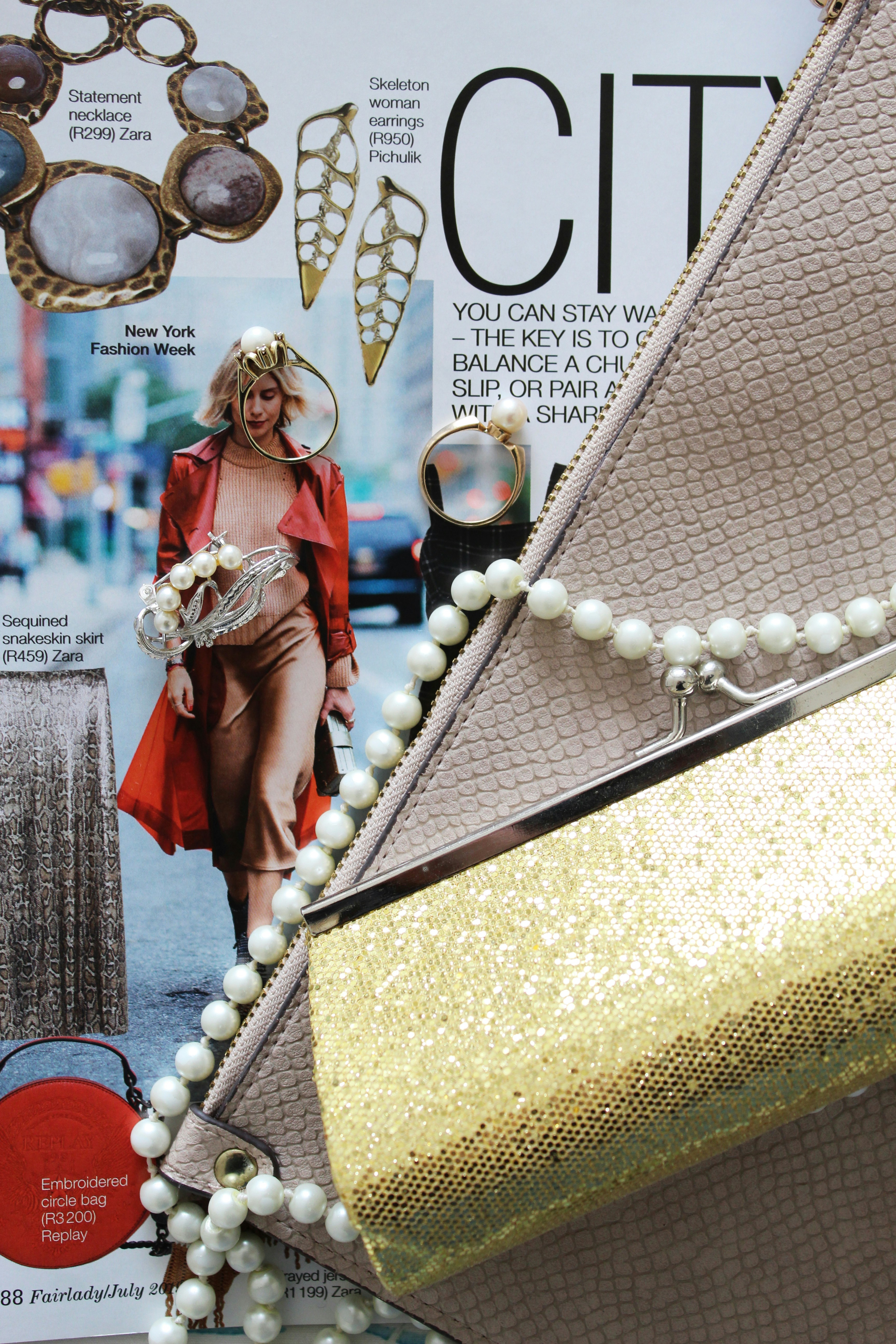
Introduction to Fashion Trends
Fashion trends represent the ever-evolving styles and preferences in clothing, accessories, and overall aesthetic within the fashion industry. A fashion trend typically emerges when a particular look or style gains popularity among consumers and is subsequently adopted by fashion brands and designers. Trends are often influenced by various factors such as cultural shifts, social dynamics, and economic changes, making them a reflection of the times in which they occur.
The cultural context plays a significant role in shaping fashion trends. For instance, the rise of social media has transformed how trends are disseminated and consumed, allowing styles to spread rapidly across the globe. Similarly, social movements often inspire shifts in fashion; for example, sustainability has gained prominence in recent years, prompting designers to develop eco-friendly collections in response to consumer demand for ethical practices.
Economic factors also influence fashion trends. Economic prosperity typically leads to the emergence of luxury and high-end fashion, while recessions often result in the popularity of thrift styles or minimalism. As such, the resilience of the fashion industry is often reflected in its ability to adapt to changing economic circumstances.
For fashion enthusiasts, staying informed about current trends is essential for expressing individual style and enhancing personal wardrobes. Understanding and participating in fashion trends allows individuals to connect with a larger cultural dialogue. Moreover, for those in the fashion industry, being attuned to trends is crucial for innovation, business strategy, and staying competitive. Ultimately, awareness of fashion trends not only enriches personal style but also supports the dynamic nature of the industry as a whole.
Top Trending Styles of the Season
This season’s fashion landscape is characterized by a dynamic interplay of colors, textures, and styles that reflect contemporary attitudes toward self-expression and individuality. Key clothing items currently in vogue include oversized blazers, wide-legged trousers, and slip dresses. These items not only provide comfort but also promote a sense of effortless sophistication. Oversized silhouettes, in particular, allow for easy layering, making them a staple for transitional weather.
When it comes to colors, this season sees a resurgence of earthy tones and muted pastel shades, with colors like terracotta, olive green, and soft lavender dominating runways. These hues offer versatility and a connection to nature, which resonates with many consumers’ desires for sustainability in fashion. They can easily be styled with neutral basics or paired with bolder prints to create visually engaging outfits.
Patterns are also making a significant impact, with plaid and check being particularly prominent. These classic patterns are being reinterpreted in innovative ways, featuring asymmetric cuts or unexpected color combinations. Additionally, floral prints remain a perennial favorite, evolving this season with intricate detailing and botanical motifs that echo the resurgence of nature-inspired designs.
In terms of accessories, chunky boots and statement belts are essential for completing modern looks. Chunky footwear provides a grounding element, contrasting the delicacy of slip dresses while adding a touch of edgy style. Statement belts, on the other hand, serve both functional and visual purposes, accentuating waists and adding depth to layered outfits.
Incorporating these trending styles into one’s wardrobe reflects an embracing of current fashion tendencies while allowing for personal flair. The ongoing evolution of styles not only celebrates creativity but also adapts to the needs of individuals, making fashion more accessible and relatable.
Incorporating Current Fashion Trends into Your Wardrobe
Adapting to current fashion trends can be a rewarding experience, allowing individuals to refresh their wardrobe without drastic changes. One effective approach is to focus on mixing and matching existing pieces with new trend-driven items. This strategy not only promotes creativity but also maintains personal style integrity.
Investing in key pieces is essential when looking to embrace popular styles. Identify versatile items that align with current trends, such as tailored blazers, statement accessories, or trendy footwear. These core pieces can serve as building blocks, helping you create a variety of outfits that reflect both modern aesthetics and your unique preferences. Look for items that offer quality and durability, as these investments will transcend seasons, thus providing long-term value.
Personal interpretation is another crucial element in successfully integrating trends into your wardrobe. Rather than adopting a trend wholesale, consider how it resonates with your identity. Modify colors, patterns, or styles to suit your taste, ensuring that each outfit feels authentic and comfortable. For example, if animal prints are prevalent, you might opt for a subtly patterned scarf instead of a full-on animal print dress.
Connecting with current fashion trends doesn’t have to mean sacrificing your individuality. By focusing on mixing existing items, investing strategically, and personalizing trends, you can develop a fashionable wardrobe that reflects contemporary styles while remaining uniquely you. Explore how slight alterations and contemporary touches can breathe new life into classic outfits. The balance of trendiness and personal flair will enable you to navigate the ever-evolving fashion landscape with confidence.
Predictions for Future Fashion Trends
The fashion industry is constantly evolving, influenced by various cultural, social, and technological factors. As we look ahead, several emerging trends and innovative ideas are poised to shape the future of fashion. Experts suggest that sustainability will remain a predominant theme, with brands increasingly adopting eco-conscious practices. This shift towards sustainable fashion is not just a passing trend; it reflects a deeper societal understanding of environmental impacts and consumer demand for transparency.
Moreover, the integration of technology into fashion design and retail is expected to increase significantly. Virtual reality (VR) and augmented reality (AR) technologies are enabling brands to create immersive shopping experiences, allowing consumers to try on outfits digitally before making a purchase. This technological influence, coupled with advancements in artificial intelligence, may lead to personalized fashion recommendations that cater to individual body types and style preferences, enhancing customer satisfaction.
In addition to these developments, the resurgence of 90s and early 2000s nostalgia continues to resonate with younger generations. Fashion experts anticipate that elements from these decades, characterized by bold colors, oversized silhouettes, and logo-centric designs, will further trickle into mainstream fashion. The influence of social media platforms, particularly TikTok and Instagram, will play a crucial role in this revival, as these platforms enable trends to spread rapidly among influencers and followers.
Cultural movements are also expected to inform future fashion trends. As diverse voices gain prominence in the fashion space, we may see a rise in designs that celebrate multiculturalism and inclusivity. This celebration of global influences signifies a progressive shift towards embracing variety in aesthetics and styles, reflecting our increasingly interconnected world.